
2026 Q&A Part 3
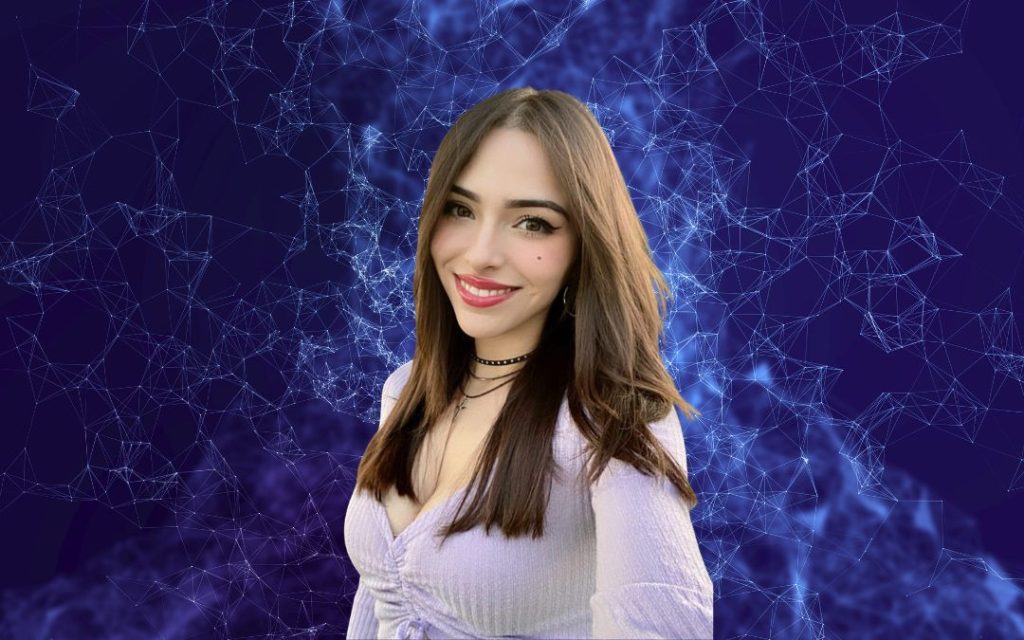
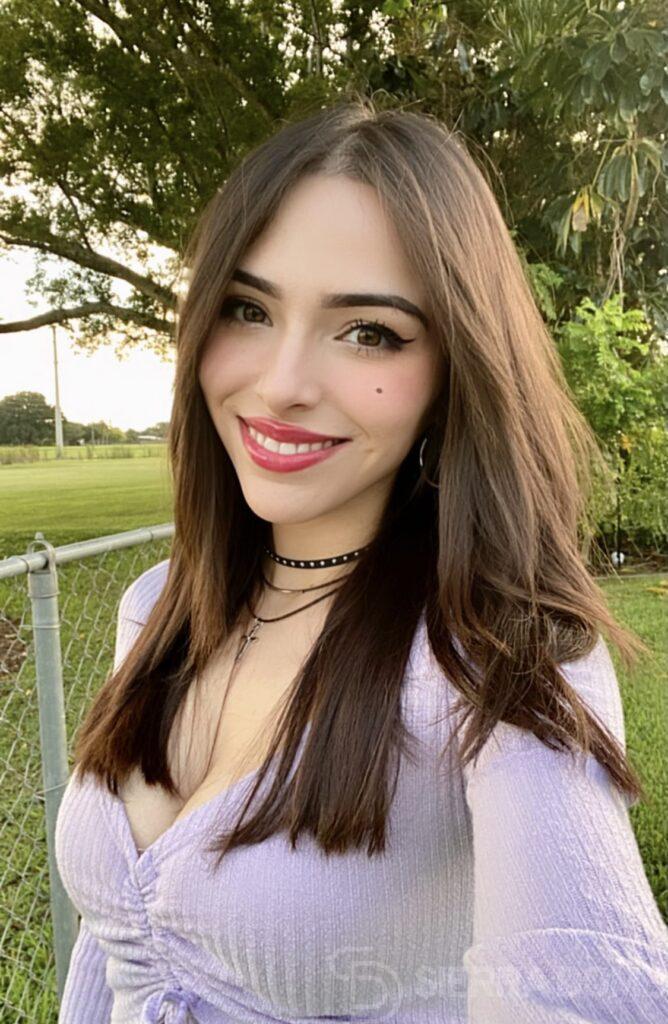
Sierra Domb, medical advocate and Founder of the Visual Snow Initiative (VSI), shares the challenges of advocating while managing chronic illness. She discusses burnout, personal growth, navigating stigma, and life lessons from living with Visual Snow Syndrome, Erythromelalgia, and Autoimmune Dysregulation. Part 3 of an in-depth Q&A.
What have been the biggest challenges of advocating while managing your own health, and how have you navigated moments of burnout or frustration in your work?
I don’t think being an advocate is for everyone, and that’s okay. Advocacy can be deeply rewarding, but it comes with real challenges. Some days, a victory feels monumental, like helping millions of people by securing an ICD code from the World Health Organization for a condition that went unrecognized since 1944, developing educational resources, or facilitating research that uncovers biomarkers. Other days, a victory is much smaller but no less important: simply being present while fighting through personal sickness and pain, or making it to a doctor’s appointment or urgent care when even the commute feels impossible. Those moments remind me that advocacy is not just about grand gestures; it’s also about perseverance in the face of limitations.
One often overlooked aspect of advocacy is that some of us take on the challenging work of breaking new ground while also managing our own medical conditions, responsibilities, and, at times, traumatic or difficult life experiences. Some conditions improve or resolve; others persist. Breaking down barriers, representing diverse patient needs, challenging a medical system that didn’t believe in you in the first place, and creating science-based research, treatment options, and resources when no one else has done so is important for patients of all ages. That work is important, but it can also lead to significant burnout.
There have been times when I was extremely ill, preparing for medical procedures, or facing other personal challenges, and I still had to manage the demands of running a nonprofit. I chose this path in response to difficult experiences that shaped my life, many of which were beyond my control. Years of adapting to and managing lifelong Autoimmune Dysregulation and Erythromelalgia (EM), followed by the later onset of Visual Snow Syndrome (VSS) and the medical trauma it brought, ultimately catalyzed my work. Despite the challenges, I remain deeply grateful for the opportunity to make a difference and consider it a true honor if I’ve helped even one person facing a similar struggle.
I did not fully understand everything this role would entail when I first began. I was leading with pure intentions, without experience, and I continue to move forward with those same intentions, now grounded in greater experience, understanding, and perspective. Advocacy became a way to cope with the negative impacts of the medical traumas I endured, both within the healthcare system, as a result of my conditions, and from societal challenges, while also navigating the ongoing frustrations, limitations, and pain of chronic illness. My work has always been guided by a desire to help others, contribute to a better world, and do my part to support positive reform for underrepresented medical issues through advocacy, the creation of tangible resources, progress, research, and education. Moving forward, my ability to continue this work depends on doing so in ways that are thoughtful, balanced, and protective of my health and stress levels.
Feeling ill while doing difficult work isn’t uncommon; millions of people navigate severe challenges daily to complete school, work, or even just to survive. There is so much suffering in the world, and many have endured far worse than I have. I’ve always felt deeply honored and grateful that anyone believed in what my team and I were building and chose to support the Visual Snow Initiative. Every returned message, every connection made, and hearing from people affected by VSS in 93 countries after thinking I was completely alone with this condition was humbling. Their support fueled my determination and gave me the strength to keep going.
I am fortunate to be in a position where I can make a difference right now, but my health is fragile, and some days advocacy may not be sustainable. I don’t know what the future holds, so I have to do as much as my body allows while taking care of myself in every way I can.
A major personal hurdle for me was overcoming the impact of past bullying and harassment, which made me hesitant to share my story publicly. When I eventually did, some of my fears were unfortunately confirmed. Still, I made the choice to persist. I had already seen how unkind and unempathetic some people could be during my adolescence, and I wanted to avoid reliving that experience in early adulthood. Facing that fear was intimidating, but I felt the potential to raise awareness, support research, and create resources for others with Visual Snow Syndrome far outweighed the risk of judgment or criticism.
I can handle thoughtful, constructive feedback, and I truly believe it is important for growth. But from the moment I first spoke publicly about Visual Snow Syndrome at age 21, and as I continued to share my story, I faced far more than I expected, primarily online: complete lies about me, harassment, bullying, sexism, prejudice, pervasive misinformation, inappropriate or uncomfortable remarks, disturbing photos and videos, and threats directed at myself and others.
While I am resilient, I do not have unlimited tolerance for cruelty or harmful behavior. I am human. Life has asked me to be strong, but I am not invincible. It was hurtful and confusing. I was naive, and I struggled to understand how people could do this. My heart aches for anyone who has faced similar or even far greater challenges, whether related to VSS, other health conditions, speaking up for themselves, or simply trying their best with good intentions.
At times, the stress that comes with the unexpected byproducts of this work can worsen my preexisting conditions. Visual Snow Syndrome, Autoimmune Dysregulation, and Erythromelalgia would exist regardless, but chronic stress can intensify symptoms. I have been advised to avoid stress, yet advocacy often means facing misinformation, hostility, and people whose words of support do not always match their actions, along with hurtful or uncomfortable commentary. These experiences can be emotionally draining, intensifying my physical symptoms, and making some days especially difficult.
I continued because my passion for this work and the chance to make a difference for others mattered more than my own discomfort. The work itself and helping others always made the choice to persist feel meaningful, even while the unexpected challenges affected my health. Through this journey, I have grown stronger, gained a deeper understanding of people and the world, and learned that it is essential to take care of your health, maintain balance, and protect your ability to continue contributing in a sustainable way.
It was both shocking and disheartening for my younger self, when founding VSI, to encounter dishonesty, misrepresentation, ulterior motives, competitiveness, and bad-faith behavior while trying to adapt to life with VSS, manage other conditions, cope with medical trauma, and make a difference in the only ways I could. All of this unfolded within a global medical system that had long overlooked VSS and would have continued to do so unless advocates stepped forward.
I did not come from traditional qualifications or experience in nonprofit or advocacy work. I had been pursuing creative passions because they brought me joy and a sense of reprieve while navigating the medical challenges I had faced since childhood, long before VSS. But after the onset of VSS and witnessing the devastating effects of the medical community’s marginalization, misdiagnosis, mistreatment, and lack of research funding on patients of all ages worldwide, I chose to make a complete pivot. I redirected my life toward areas where I had no formal expertise, relying instead on what I had learned from creative work, my personal experiences, being open and vulnerable, and simply trying my best.
Over time, after returning to university with more limitations and resilience, and through collaborating with global experts at the Visual Snow Initiative, I gradually gained more academic training and professional knowledge in neuroscience, health communication, patient advocacy, and research methods.
It was not easy. Learning and doing something entirely new while managing medical conditions and being scrutinized could be overwhelming, yet my passion for making a difference kept me moving forward. Every challenge was difficult, but each step reinforced why this work matters to our incredible supporters, to research, and to anyone affected by VSS around the world.
Studying neuroscience, psychology, and human behavior helped me understand how much of what drives people, including their opinions, judgments, and resistance, comes from societal conditioning, personal experience, and unseen biases. Understanding this has been essential to managing expectations and staying grounded in the work.
There is often an unspoken expectation, both socially and professionally, that we should always appear invulnerable. That expectation is impossible for many of us, and there is real strength in being vulnerable, in showing up as ourselves, and in standing for what matters even when it is difficult. I have never been afraid to go against the grain, to be nonconformist, and to follow my own path. But when it comes to the causes and people I care about, I care deeply. That care carries weight, and it is also what keeps me going. I have continued this work not because I have to, not because I believe it was destined for me, and not because I am the only one who can do it, but simply because I care. Every opportunity to raise awareness, support research, and help others reminds me that the challenges are worth it.
At times, some people see their own perspective as the universal truth and can be too quick to judge, often being especially harsh toward those who look, think, experience, or approach things differently, or who don’t act as they themselves would. But advocacy requires courage: to try, to stand up despite the risk of failure, and to be vulnerable enough to reveal your true self. Many people never see the full truth of another: they see only what aligns with their own views or what the other person allows them to see. How someone judges others says more about their mindset than about the person they criticize. Ultimately, the impact we make is our responsibility, and in every interaction, it’s worth asking ourselves how we would want to be treated if we were in someone else’s shoes.
Resistance is inevitable whenever you introduce something new, whether it is a novel idea, a resource, or a sincere effort to improve a system. Resistance often comes not because the change is wrong, but because it challenges comfort, norms, or power structures. Progress is rarely smooth or universally welcomed at first. Learning to embrace pushback allows you to refine your ideas, strengthen your resolve, and deepen your understanding. Persisting despite resistance is what separates those who spark change from those who accept the status quo.
I was extremely inexperienced when I first started my work in this space, and one thing that has always struck me as odd and still does is how some charitable organizations, advocates, or groups view each other as competition. I would reach out to people and organizations who claimed to have similar interests, only to find that they were more focused on giving the appearance of helping rather than actually doing so, and sometimes even lied. I understand that people want to succeed, but from my perspective, true success in advocacy is helping the cause. If you claim to support the same mission, why make it about appearances and self-gain when the goal should be helping people and working together to improve the system?
Some journalists, doctors, and researchers claim to value accuracy and scientific rigor, yet publish unethical, inaccurate, or harmful materials that downplay the severity of VSS in favor of clickbait or personal ego. In response, VSI provides accurate resources and requested corrections to support proper representation. Some engage with understanding and compassion, while others do not. There have also been people who reached out for interviews, presented themselves as genuinely committed to science or awareness, and then failed to follow through after we contributed our time and expertise. Sometimes, individuals who do not have VSS or a clear understanding of the condition misrepresent it to serve a variety of agendas, whether for attention, personal viewpoints that are medically inaccurate, business or professional interests, or publication priorities. This can be both frustrating and harmful.
Even institutions widely regarded as prestigious, as well as prominent figures in health and medical innovation, can operate within outdated systems without attempting to challenge them for the greater good. Public statements of alignment do not always reflect actual priorities. The true measure lies in their actions: are they genuinely advancing the well-being of others? Are they taking responsible steps to address what they know is broken? And are their efforts motivated by self-interest or a broader purpose?
There are genuinely well-intentioned individuals making a real difference. Some are constrained by systems that limit what they can do, while others persevere, finding new ways to help and work around obstacles. For example, the timelines and bureaucracy of research can be frustrating for everyone involved, but some teams do their best to fast-track progress within their capacity while creating resources in the meantime. Some experts stand in rooms outnumbered by people who do not care, yet they champion the cause, bringing passion, facts, and scientific rigor, unafraid to stand up for what is right and ultimately prevailing.
It becomes clear who is merely talking about helping and who is actually taking action. Not everything may be possible, but there is immense value in making the effort, especially when it is difficult and would be easier not to.
Experiences like these taught me that people often get caught up trying to present an image of perfection to ensure success, even when many factors are beyond their control. I am imperfect and always learning, and I’ve found the best approach is to simply do your best, avoid overthinking, and reach out with authenticity and clarity. By doing so, you increase your chances of forming real connections, and when those connections happen, they are built on a genuine and sustainable foundation that supports the mission rather than appearances.
Advocacy also requires navigating complicated perceptions. If you are upbeat, you might be seen as not serious; if you are somber, you might be accused of seeking attention; if you share science, it may be perceived as lacking humanity; if you share emotion, it may be seen as lacking clinical credibility.
Managing a chronic condition also means navigating a range of approaches. Some people prefer noninvasive strategies, others prefer medication, which often comes with harmful side effects, and many are cautious about trying either. Sharing personal experiences, clinical insights, or different approaches can be complicated because every patient’s journey is unique, and what works for one may not work for another. Scientific findings are not always communicated in ways accessible to patients, which can leave them confused. As an advocate, I often need to translate these concepts clearly while also addressing skepticism or caution from individuals who have been disappointed or failed by the medical system in the past. Managing these perceptions adds another layer of emotional challenge on top of the work itself.
If you are considering becoming a advocate while managing chronic medical conditions, especially in today’s digital age, it is important to understand the additional demands this path can bring. Advocacy can be deeply rewarding, but it often involves stress, emotional strain, sharing vulnerable personal experiences publicly, and occasional opposition from groups resisting progress, which can affect both mental and physical health. Balancing advocacy with your own health requires careful planning, healthy boundaries, self-awareness, and realistic expectations.
Do you have any life lessons, good or bad, from living with a chronic illness? How has it shaped your sense of self, your values, ambitions, or relationships?
Growing up with medical issues and learning to hide them in order to fit in and avoid becoming a target was a unique experience. For many years, I resented my conditions, and it often felt like the more I tried to escape them, the more symptoms and traumatic medical experiences I faced.
As a teenager, I tried my best to balance school, extracurricular activities, and social life while managing frequent doctor’s visits, chronic pain, and periods of being immunocompromised that often kept me from attending school as much as I wanted. I allowed societal pressures to dictate a narrow and simplistic idea of “normal”. I tried to appear fine on the outside while quietly enduring both physical and emotional pain. Despite my efforts, the visible effects of my conditions and the medications I relied on often revealed themselves, drawing reactions of shock and confusion from others. These responses frequently came in the form of daily bullying and harassment, which led me to build walls around myself and remain constantly on the defensive. I longed to blend in and struggled to accept my health challenges. I resented feeling different and feared I would never be “good enough” to keep pace with my peers. After a few painful attempts to open up about my medical experiences, I withdrew completely and stopped sharing.
Over time, however, I realized I was not alone. Learning that others were in similar situations, and that many people were suffering far worse, both medically and humanitarianly, helped me see that suffering is universal. It feels isolating when you are alone, in pain, and taught to feel ashamed, but there is no normal and no perfection. Those ideas are illusions created to suppress human diversity and variability.
I do not believe that everything happens for a reason. You cannot watch innocent children or kind-hearted people suffer or die senselessly, witness violence, greed, and relentless acts of hate, or see evil prevail without understanding that sometimes bad things just happen. Yet, while hardship is not inherently meaningful, we can choose to create meaning from our experiences. Some of the worst moments in life can open doors we would not have otherwise found, shape us into stronger people, or bring people into our lives whom we would not trade for anything.
I have learned to look for the small glimmers of good within hardship, whether that is becoming wiser, more compassionate, or simply more aware of what truly matters. At the same time, I recognize that not every wound leaves a lesson or a gift. Some pain is just pain. Often, the goal is survival, focusing on what is within our control, and finding small moments of light wherever they appear. These experiences have motivated me to shed light on important issues and do what I can to help solve them, while acknowledging that everyone’s best looks different.
From a young age, I recognized the importance of accessibility, science, collaboration, and diversity. Society often attempts to confine people to narrow boxes, but I learned to question those limits. My interest in science and medicine emerged only because of my medical experiences. Before then, I focused on creative pursuits. Missing school due to illness, hiding symptoms, and struggling to keep up left me insecure and defensive, and I feared trying because I did not want to be judged. Over time, I realized that one can cultivate both creativity and scientific reasoning. Life had placed me in circumstances that taught me this balance.
I approach challenges by considering all factors, applying critical thinking, balancing science with compassion, and staying open-minded. When I believe in something, I am not afraid to take the road less traveled or even one that has never been traveled. The only way to know if something works is to try. While effort does not guarantee success, it maximizes the chance for meaningful outcomes.
Bringing humanity back into medicine and science has become a guiding principle for me. These fields need not feel sterile or inaccessible. Clear, compassionate communication benefits physicians, patients, and researchers alike. I find fulfillment in connecting people from diverse backgrounds and disciplines, identifying shared goals, and combining complementary strengths. Collaboration across traditional boundaries often produces powerful results.
In my current work, this means bringing together patients, medical professionals, and academics to collaborate. Medicine and research require rigorous methods, but patient perspectives are invaluable. They provide insights, data, and practical experience that should shape research and healthcare solutions. Beyond validation, patients need tangible resources and accessible education. Too often, people remain siloed in their respective fields. When diverse voices come together, we gain a better understanding of what is possible, even within constraints.
Growing up in a multicultural family taught me that unity is rooted in compassion and respect, not uniformity. Diversity should be embraced because it enriches life and inspires new perspectives and innovations. Superficial differences, ego, and self-interest can hinder collaboration and progress, but a shared commitment to moving forward together and valuing our common humanity creates real significance.
A deep dislike for injustice and prejudice has always driven me to try to make things better, even in small ways. I am bothered by cruelty, ignorance, and shallow judgments that harm others. Helping people, whether through listening, sharing knowledge, or simply being present, feels worthwhile. I aim to respond to ignorance with empathy and education while continuing to learn myself. Ultimately, people must make their own choices, but I can contribute by showing up, doing what I can, and easing someone else’s burden whenever possible.
Living with a body that does not always cooperate has made me cherish moments of stability and genuine peace. At the same time, I remain passionate about creating, exploring new ideas, and striving for balance in life and work. Society often presents the illusion that there is only one right way to be, but human beings are multilayered and contradictory. No single event or trait defines me. I am shaped by a combination of experiences, interests, and values. It is about making space for all parts of myself and appreciating that same complexity in others.
A person can work in medicine or science while loving the arts. They can pursue ambitious goals while needing moments of levity and self-care. Compassion and intellect can coexist with health challenges and hobbies, and one’s condition is only one part of a larger, multifaceted story. Differences in culture, interest, and perspective add richness to life. Through respectful dialogue and collaboration, these differences can help build a better world.
At every funeral I have attended, no one mentions conventional success, appearances, or achievements. What truly endures is how a person treats others and the feelings they inspire. Kindness, compassion, and genuine connections matter far more than any superficial measure of success. I am deeply grateful for every act of support and encouragement from my loved ones, VSI’s supporters, and everyone I have connected with through my work.
I have experienced more than I ever expected. Some days I feel like a teenager trying to navigate adulthood, while other days I feel eighty, wiser yet worn out by all I have seen, learned, and survived. I do not take moments of happiness and peace for granted. I treasure them with gratitude for as long as they last.
Do you share that you have a medical condition in your daily life, and how do people usually respond?
(Note from Sierra: “Talking about your health is a personal choice, and everyone’s comfort level is different. Do what feels right for you”.)
Until creating the Visual Snow Initiative and sharing my story with Visual Snow Syndrome, I rarely spoke about my medical struggles, including Autoimmune Dysregulation and Erythromelalgia, outside of close friends and family. When I was younger, I tried to be open but was often met with stigma and hurtful remarks, which made things more difficult and affected my self-esteem. That experience discouraged me from discussing such a vulnerable part of my life. Today, however, when I meet new people, I usually share my medical conditions early on. Being transparent helps set realistic expectations, reduces misunderstanding, and allows me to connect with others on a deeper level. If someone judges me for health issues I did not choose to have, that says more about them than it does about me. My medical conditions are a part of my life, and anyone who wants to be in it needs to accept that. If they cannot, that is completely fine; it simply means we are not compatible as friends.
I am honest about the fact that I will always try my best, but there may be days when I feel sick. I make every effort to follow through on commitments, either as planned or at another time. I do not use my condition as an excuse; it is a reality. People who see it otherwise are often just insensitive or uninformed. It can be strange to tell people you have a chronic illness and realize that, while they may understand in theory that you struggle medically, they often do not grasp what that truly means. Many respond with surprise or confusion when you cannot join an activity, have to cancel plans, or spend much of your time at medical appointments. That is the nature of something chronic. It is ongoing and affects daily life in ways that are often invisible to others.
When I was younger, I did not talk about it much. I wanted to fit in and avoid being treated differently due to my health. As I grew older, I realized the importance of being open about my health. If people are going to be part of my life, they need to understand that this is part of who I am. Most people mean well, but unless they have lived with a chronic condition or know someone who has, their only frame of reference is being healthy and occasionally getting sick. They understand the concept of chronic illness in theory, but not the ongoing nature of it or how deeply it can shape everyday experiences.
Chronic illness affects more than the body. Physical challenges can influence emotional health, and emotional stress can, in turn, worsen physical symptoms. The two are closely connected, often reinforcing each other. Learning to manage this balance takes strength, self-awareness, and support. Greater understanding from others can make an enormous difference, helping those with chronic conditions feel seen, respected, and included while they navigate the realities of long-term medical issues.
Some people have asked me about dating while battling health issues. When I was dating, I was open about my medical conditions. Reactions varied widely. Some people treated me as if I lacked agency, some were indifferent, and others asked questions, some well-intentioned and some insensitive. The best partner is someone who understands the nuance and realities of living with a chronic condition, recognizes that it can affect you, and still sees you as a complete, multifaceted person whose personality and interests may be influenced but not defined by your condition. There will be days when my condition dominates my life and other days when I may prefer not to discuss it. An open line of communication with your partner about what you need is essential. This allows them to better understand and support you during difficult moments. You can plan activities together that take your condition into account, ensuring that both of you are comfortable. Doing so helps build a strong foundation for your relationship based on mutual joy, safety, openness, and trust.
In professional or everyday settings, people may sometimes guess that I have medical conditions based on the nature of my work, but I do not always lead with that information. I carefully consider whether disclosure is necessary or beneficial. If someone asks, I am open. For brief interactions with people who seem unwilling to learn or are insensitive, it is often not worth the potential frustration. However, if someone is uninformed but open-minded and reasonable, I embrace the opportunity to educate them.
I often share that I have medical challenges with others, and many ask numerous questions, which I welcome as a sign of genuine interest. (Please note: some people may not want to be reminded of their own conditions, so it is important to make it a point to ask before discussing.) Through these conversations, people have sometimes discovered that they, or someone they know, actually has the same condition as me. Friends, strangers, and acquaintances have told me that our discussion gave them a name for what they were experiencing and a better understanding of it. In medical settings, I always disclose everything. I grew so accustomed to others not knowing about VSS prior to founding VSI that it can still be surprising and encouraging when I meet a new doctor or medical system and see Visual Snow Syndrome documented in their health system. I am grateful for those spontaneous interactions that demonstrate progress.
In the case of VSS, it is an invisible condition, so people cannot see that I have it. When I experience discomfort due to VSS, which happens far less frequently these days, and I am largely functional compared to my previous state, I choose to let those around me know what is happening. Other conditions, such as Erythromelalgia and Autoimmune Dysregulation, are more visible during flare-ups and tend to cause day-to-day challenges. My Erythromelalgia, for example, is noticeable, so people can often see when I am in pain, and many ask about my symptoms or check in to see if I am okay.
The above approach works for me personally, but it may differ depending on a person’s environment, workplace, school, available medical resources, and the types of relationships they are seeking. It is important to weigh the benefits and drawbacks of disclosure and determine what strategy feels right for you in your unique circumstances.
What do you wish more people understood about life with an invisible or chronic condition?
I wish more people understood that medical conditions touch everyone, directly or indirectly, at some point in life. Because of this universality, education about medical conditions should start early and be part of broader public awareness. Everyone (whether in medicine, research, or any other field) would benefit from learning how to communicate about these issues with clarity, compassion, and sensitivity. People carry ideas, innovations, and knowledge that could profoundly improve lives and society, but if these insights are not effectively shared, their potential impact is lost. By improving understanding, raising awareness, and reducing stigma, we not only help those affected but also foster a more informed, empathetic, and capable global community. Effective communication about medical conditions is not just a personal matter; it is a humanitarian imperative that can enable solutions, inspire progress, and benefit people worldwide.
Were there times when your illness felt like it defined you, and how did you move beyond that?
There have absolutely been times when my conditions felt like they defined me, especially during periods when they severely limited my ability to function. Chronic illness can affect both the body and mind, shaping how you move through the world and how others perceive you. Still, I’ve learned to separate who I am from what I experience. My conditions may influence my life and my work, but they do not encompass my entire identity. I am still defined by my values, interests, creativity, and personality, the parts of me that remain mine regardless of my health. While my conditions currently shape much of my work, I know this balance may shift over time, and that possibility reminds me that identity can evolve beyond circumstance.
What would you tell your younger self or someone newly diagnosed about living with a chronic illness, accepting it, and navigating its challenges?
I would tell my younger self that there is beauty in being different, even when it does not feel that way.
Living with a chronic illness will challenge you in ways that few people can understand. It will bring pain, depression, and struggles. It will also teach you about resilience, empathy, perspective, and many important issues in this world.
Two things can be true at once; the good and the bad can exist at the same time. Life situations, such as a medical journey, can often be nuanced, requiring careful thought and critical thinking to understand.
It is okay to grieve the life you thought you would have, and it is okay to feel frustrated. Acceptance does not happen all at once. It grows slowly as you learn to work with your body rather than against it. It is important to accept who you are, and if you have the opportunity to make a change, go for it. If you cannot, do the best you can with what you have.
You don’t always have to be positive. Experiences are nuanced, and there will be times when everything feels negative, which is completely understandable. Sometimes there is no lesson to be learned and nothing positive to gain. Sometimes things simply “are” and it is just about doing your best to navigate the situation or even just survive, which in itself is a victory when times are tough. Be kind to yourself and practice healthy forms of self-care, whatever that looks like for you, whenever you can.
You do not have to hide your pain or prove your worth by appearing “normal”. The right people will see you for who you are, not just for what you manage. Take things one step at a time, protect your energy, seek out resources that can help when needed, or try to create them yourself if they don’t exist yet, and stay curious about what you can do. There will be many difficult days. There will also be moments of reprieve, joy, profound growth, and progress.
You are a multifaceted and evolving person who is doing the best you can with something you did not choose, and that is something to be proud of.
(Important note: This reflects my personal experience and may not apply to everyone. Outcomes can vary between individuals. All strategies or considerations should only be applied under the guidance of a licensed medical provider to ensure they are safe, appropriate, and compatible with your individual symptoms, medical history, and current treatment plan.)
Sierra’s previous Q&A articles, covering her experiences with Visual Snow Syndrome then and now, exploring scientific, advocacy, and patient-centered topics, and offering resources for patients, doctors, and researchers, are available on the Visual Snow Initiative website.